This short guide shows how a soft approach to lighting can turn a room into a calm, focused space for play. It explains practical ways to layer light, adjust color, and reduce glare so players avoid eye strain.
The U.S. Department of Energy notes LED bulbs use up to 75% less energy than old incandescent options. That makes LED strips and RGB panels smart choices for long sessions that stay cool and efficient.
Readers will learn how to place lights around a wall and behind a monitor, choose color schemes, and control power and style. If a page blocked extension prevents interactive demos, try disabling extensions to view all content.
The result is a professional-feeling room that balances comfort and performance. This section sets the scene for step-by-step options that protect the eye and enhance the game experience.
Why Lighting Shapes Your Gaming Experience
How a room is lit changes focus, comfort, and the feel of every game session. Proper lighting reduces glare and keeps attention on the screen so a player can perform at their best.
Using LED sources like LED strips around a wall gives a steady background glow. The U.S. Department of Energy notes LED bulbs use up to 75% less energy and last about 25,000 hours, which matters when the room runs for long sessions.
Dynamic effects such as rgb lighting or rgb lights add mood without overwhelming the scene. If the browser shows a page blocked extension, try disabling extensions so RGB effects render correctly.
- Efficient bulbs cut power use and heat.
- Balanced rgb accents prevent eye strain while keeping the atmosphere engaging.
- Thoughtful placement defines the space and supports long play without fatigue.
The Three Layers of a Soft Lighting Gaming Setup
Combining back, ambient, and front lights creates a practical, eye-friendly environment for long play. Each layer serves a clear role so the screen, desk, and wall work together to reduce strain and boost immersion.
Backlighting for Contrast
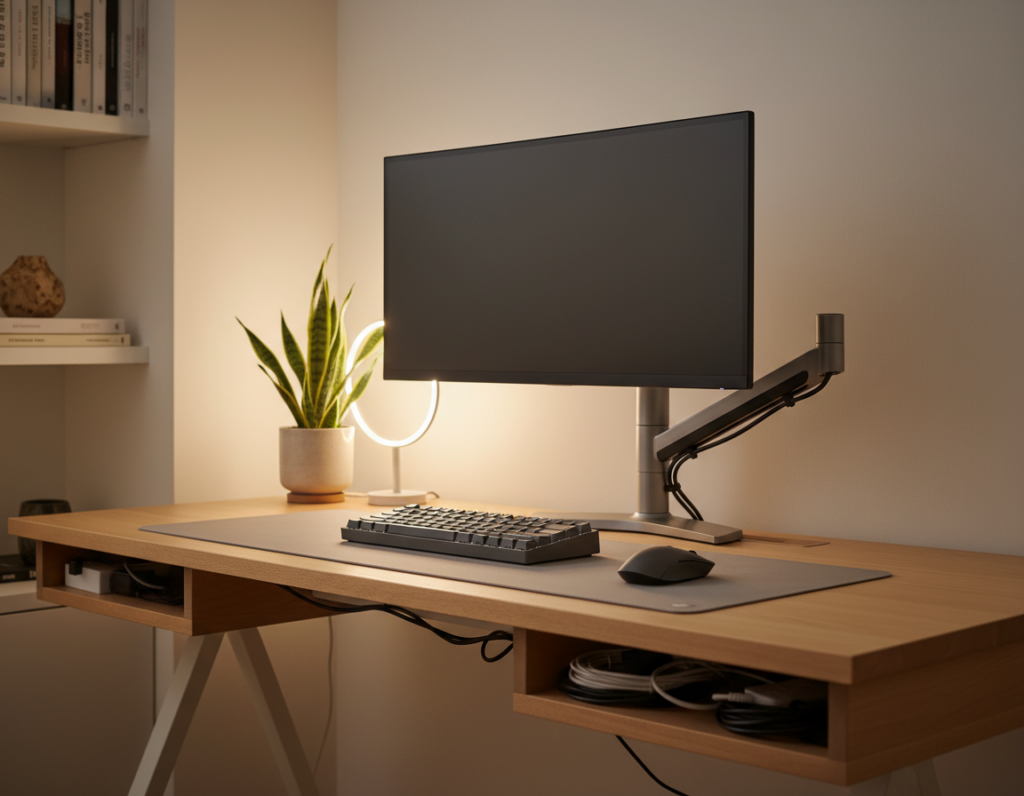
Place LED strips behind the monitor to ease the contrast between a bright screen and a dark wall. This simple backlight cuts eye strain during long gaming sessions and makes scenes feel less harsh.
Ambient Light for Mood
Use RGB lighting or LED panels to set the room color and atmosphere. Ambient colors can match the game or stay neutral to support focus and immersion without overpowering the screen.
Front Facing Light for Focus
For task illumination, choose a lamp that avoids screen glare. The BenQ ScreenBar Halo 2 has a 24-degree adjustable head and an 8-section reflector that directs light to the desk without washing out the monitor.
- Balance these three layers to protect the eye and keep performance high.
- If a page blocked extension prevents demos, try disabling extensions to see full examples of layered lights.
Selecting the Right Hardware for Your Space
Choosing the right hardware makes the difference between a functional room and a high-performance space. Start with trusted products like the BenQ ScreenBar Halo 2 to ensure desk illumination that keeps the screen readable without glare.
Combine reliable LED strips and quality desk lights for balanced results. Place a strip along the back of the monitor and add a focused desk light to keep the workspace clear. Proper monitor and desk placement reduces reflections and improves contrast.
Many players integrate rgb accents into their wall and room design, but consistent performance comes from high-quality products. If a technical page does not show specs, and a page blocked extension appears, try disabling extensions to view full details before buying.
- Prioritize reliable LEDs for longevity and steady color.
- Match strip color and intensity to your overall style and game mood.
- Invest in hardware now to avoid frequent replacements later.
Managing Eye Strain Through Strategic Placement
Small adjustments to where lights sit can cut glare and reduce eye fatigue dramatically. Proper placement makes a room more comfortable for long gaming sessions and helps the eye maintain focus on the screen.
Avoiding Direct Screen Glare
Position a light strip behind the monitor to create gentle contrast with the wall. This reduces the sharp shift between a bright display and a dark background.
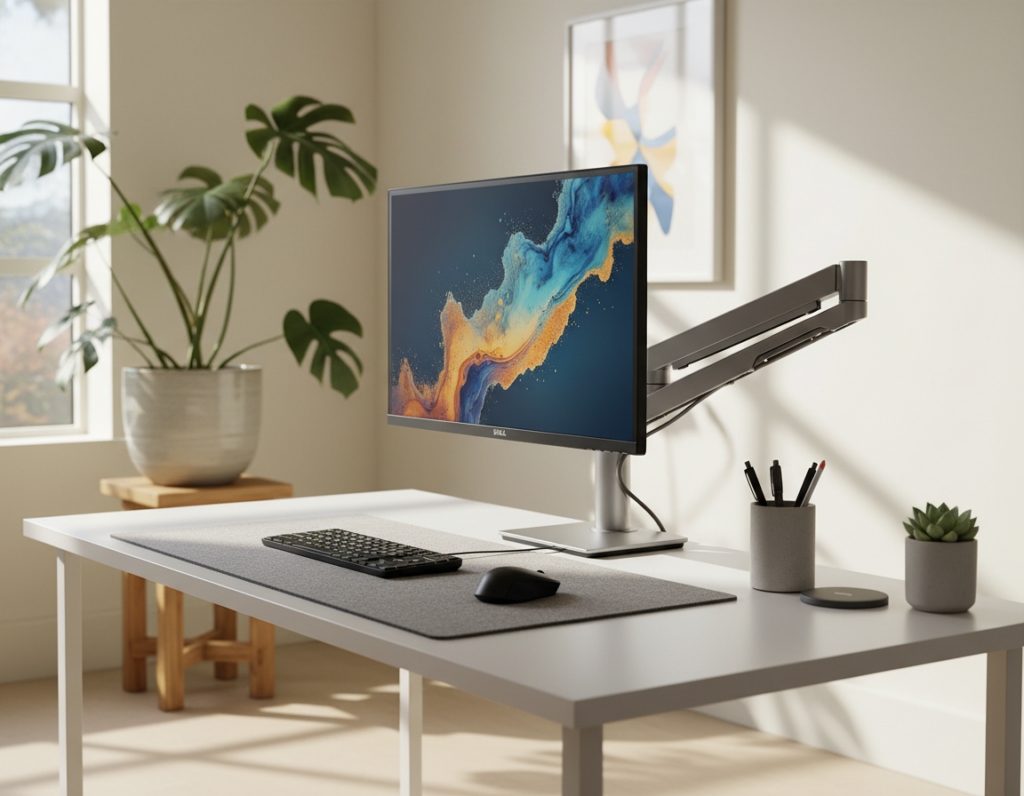
Place desk lights off to the side and slightly above the monitor angle. That placement prevents direct reflections and keeps the desk readable without washing out colors.
Balancing Color Temperatures
Use bulbs between 2400K and 6000K to match the task and mood. A consistent color across rgb and LED sources reduces visual strain and keeps the space steady during long sessions.
- Adjust brightness so the screen does not dominate the wall contrast.
- Test a few positions for strips and desk lights to find the least tiring arrangement.
- If diagrams fail to load, check browser settings or disable a page blocked extension to view monitor and desk placement guides.
Integrating Smart Technology for Better Control
Integrating connected devices gives precise control over brightness, color, and power for every scene. Smart systems link LED strips, monitor bars, and room lights so adjustments happen instantly from an app or voice command.
The BenQ ScreenBar Halo 2 pairs well with smart hubs. Its ultra-wide backlight covers 423% more area, which improves wall ambiance and immersion across the whole room.
“A single control hub keeps all lights synchronized and reduces the hassle of manual adjustments.”
Using a centralized control reduces eye strain by letting users lower brightness or shift color temperature quickly. If a page blocked extension prevents access to advanced features, check browser settings to enable full smart control.
- Sync LEDs and the monitor bar for responsive in-game reactions.
- Choose voice or app controls for hands-free adjustments.
- Manage power and schedules to save energy during long sessions.
Enhancing Atmosphere with Decorative Wall Elements
Strategically placed panels transform a flat wall into an active canvas that reacts to the action on screen.
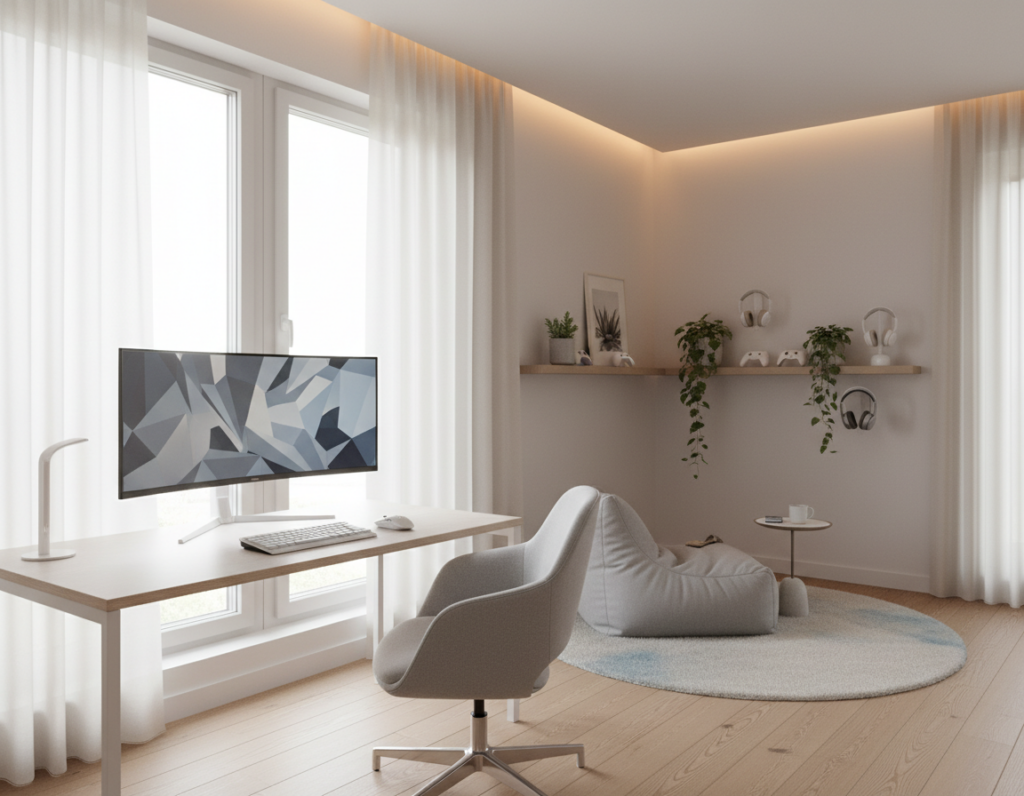
Decorative wall elements, like modular LED integrated panels, add depth and character to a room. They deliver color, motion, and responsive effects that boost immersion without clutter.
Utilizing LED Integrated Panels
LED panels pair well with strips to create layered color zones across the wall. Panels provide broad color fields while strips add rim highlights and transitions.
Choose panels with reliable LED performance so colors remain vivid and power draw stays efficient. High-quality modules reduce flicker and stay accurate for long sessions.
- Place panels around focal points to frame the screen and enhance immersion.
- Use strips along edges to blend panels into the rest of the room.
- If a page blocked extension prevents viewing product galleries, refresh the browser to load wall-mounted design examples.
“Integrated wall lighting can turn a plain surface into the room’s central feature.”
For practical ideas and layout inspiration, see a detailed guide on designing your room in this designing your gaming room article.
Common Mistakes to Avoid During Installation
Many installation errors come from ignoring how each light interacts with the screen and the room. That oversight often causes direct glare and increased eye strain.
Choose quality LED bulbs and products that offer proper control over brightness and color temperature. Low-grade bulbs limit options and make consistent color across the wall and desk impossible.
- Do not place lights so they shine into the eye. Direct beams toward the wall or table to avoid visual fatigue.
- Avoid cheap rgb strips and rgb lights that flicker or lack reliable control; they distract during long sessions.
- Position monitor and desk lights for even coverage. Poor angles create harsh shadows and uneven screen contrast.
- Test combinations of wall and monitor lights before final mounting to confirm color balance and minimal strain.
“Double-check every product and placement so the room stays comfortable and professional.”
Conclusion
Use these closing tips to refine a room that protects the eye and improves performance.
This guide supplied clear steps to layer light and pick hardware that lasts. By combining back, ambient, and task sources, readers can convert a plain space into a professional feeling room that supports long sessions.
Keep the goal simple: craft a relaxing atmosphere that eases strain and boosts focus. They should test placements, match color temperatures, and choose reliable products that fit their play style.
Thanks for reading this guide. The content aims to help readers make informed choices and to encourage small experiments until they find the right balance for their personal setup.