Design pros now say function beats flash. Marissa Soave, writing for Complete Closet Design on April 21, 2025, argues that thoughtful organization is the foundation of a functional setup. When gear has a home, the space feels intentional and calm.
Many enthusiasts chase bright lights, but professionals favor concealed compartments, wall-mounted shelves, and built-in cabinets to cut visual clutter. Careful cable management and hidden drawers keep consoles, controllers, and accessories ready without crowding the floor.
Practical choices—like desks with compartments and monitor stands with cubbies—make transitions between play and work seamless. For a deeper layout guide that blends style and function, see this hybrid workspace guide.
Bottom line: prioritize dedicated homes for gear and smart design pieces to keep the area immersive, tidy, and ready for long sessions.
The Case for Prioritizing Storage Over Aesthetics
When storage comes before show, players use their space more often and keep their gear in peak condition. A design that favors function protects consoles and accessories from dust and accidental damage.
Complete Closet Design flagged clutter as a leading reason people abandon a dedicated gaming room in 2025.
“Clutter is the primary reason many people stop using their dedicated gaming room.”
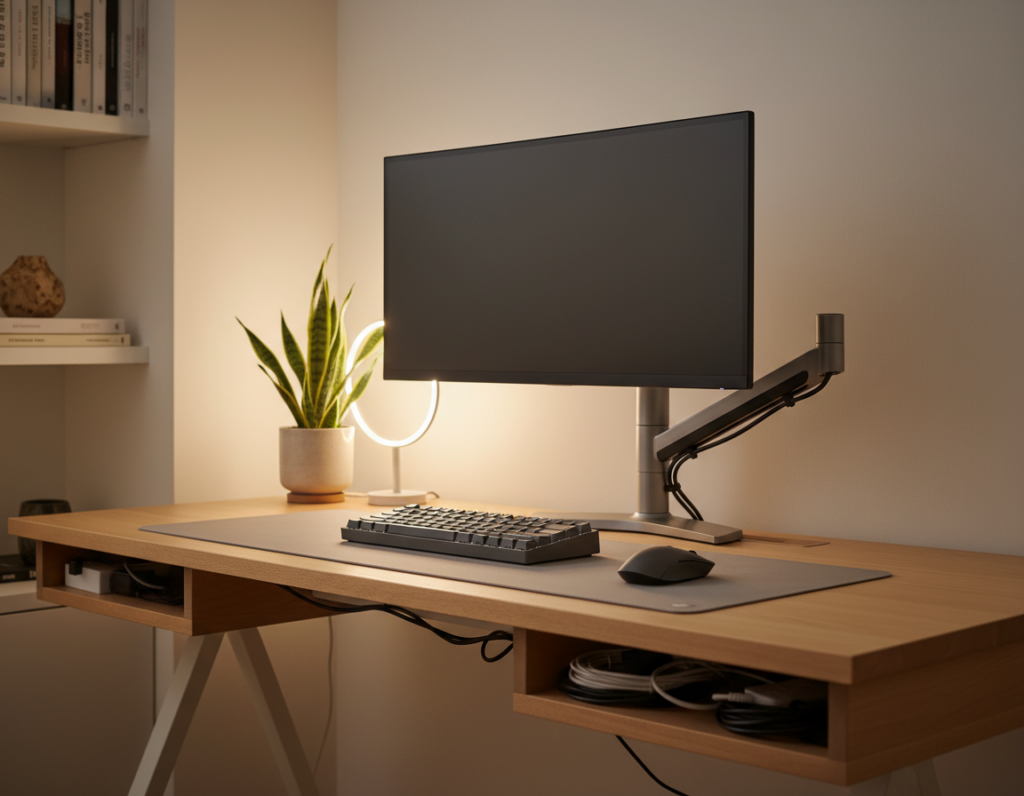
Choosing smart furniture with built-in compartments keeps the area tidy and makes games easy to reach. Hidden bays and cable channels hide bulk while keeping everything accessible.
- Protects equipment and extends life span
- Makes the space flexible for new hardware
- Reduces loose cables and visual noise
Professional setups hide complexity so the player can focus on the game. Investing in quality solutions ensures the room remains functional, calm, and ready for long sessions.
Maximizing Minimal Gaming Room Storage
Smart vertical solutions free the floor and make a compact play area feel purposeful. A focused plan uses walls, cabinets, and a mix of open and closed displays to keep gear ready and clutter out of sight.
Floating Shelves
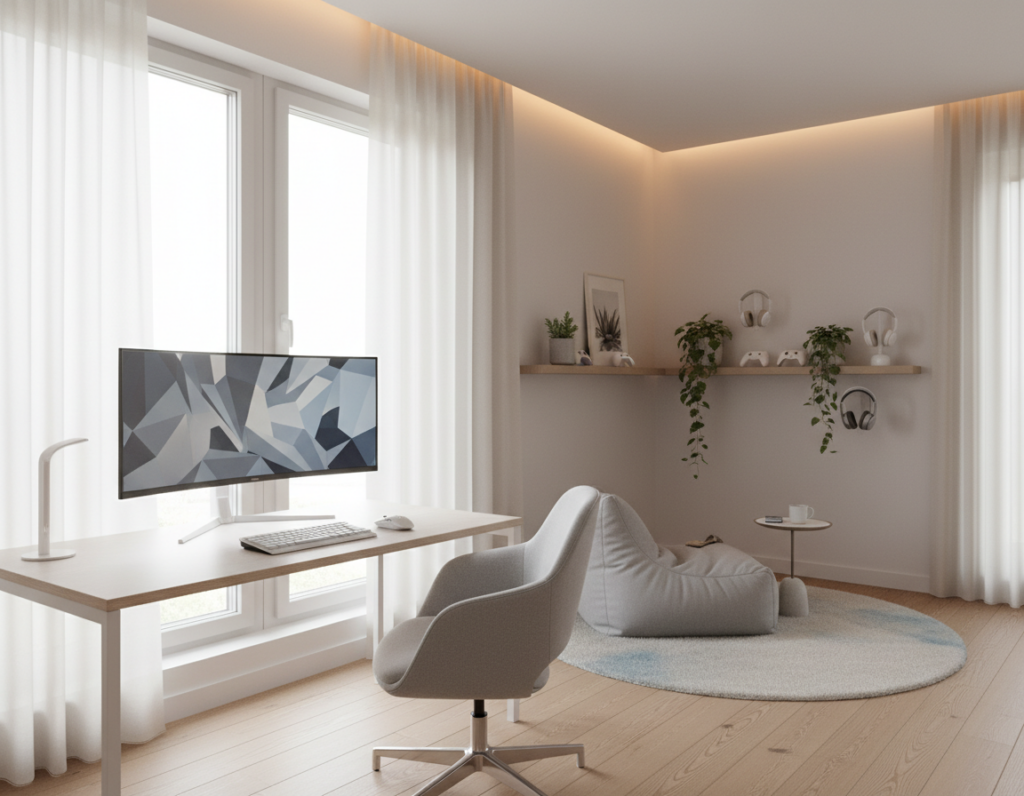
Floating shelves showcase collectible games and accessories without crowding the floor. They lift boxes and controllers off the ground and create a tidy display that doubles as decor.
Glass-front cabinets complement shelves by protecting board games from dust while keeping the look clean and curated.
Magnetic Wall Panels
Magnetic panels turn loose pieces—dice, cards, and checkers—into a functional wall display. Complete Closet Design recommends them for transforming small items into organized art.
- Use vertical wall space to preserve floor space for seating and movement.
- Mix open shelves with closed cabinets for flexibility and a neat look.
- Keep controllers and cables off the floor to make the area feel larger.
- Choose modular furniture so every inch serves storage or play.
“Turn loose pieces into display-worthy elements to reduce clutter and improve access.”
Vertical Solutions for Floor Space Efficiency
A tall, organized wall can turn a cramped corner into a high-performance play area. Using vertical systems preserves valuable floor space and keeps the room feeling open during long gaming sessions.
Mount gear on the wall to free the floor and reduce trip hazards. Floor-to-ceiling shelves make a single wall do the work of several pieces of furniture while keeping consoles and controllers accessible.
Proper lighting paired with vertical racks highlights collections and makes the room feel like a professional hub. Wall-mounted racks keep headsets and controllers within reach for quick matches.
- Maximize a small corner by stacking shelving and hooks.
- Choose tall furniture that stores more games and accessories.
- Mount displays and cable channels to simplify cleaning and safety.
Result: an efficient space that stores gear, reduces clutter, and supports focused gaming without crowding the floor. These ideas make conversion from unused corner to dedicated play area fast and durable.
Custom Cabinetry for Console and Gear Management
A tailored cabinet layout keeps consoles cool, cords concealed, and controllers within reach. Custom furniture solves several common issues at once: heat, access, and security.
Ventilation Requirements
Ventilated cabinets prevent consoles from overheating during long sessions. Built-in vents and mesh panels allow steady airflow while keeping shelves tidy.
Pro tip: leave a few inches around each console for circulation and include passive vents or a quiet fan to maintain safe temperatures.
Pull-out Drawers
Pull-out drawers provide a dedicated home for controllers, chargers, and small accessories. They cut down on loose cables and make setups fast to deploy.
Designers recommend sizing drawers to fit specific controllers and keeping charging ports inside to reduce visible cord clutter.
Lockable Security
Lockable cabinets add protection in shared spaces. They keep mature games and expensive gear out of reach and reduce accidental damage.
“Custom cabinetry should be built to match the exact dimensions of consoles and desks.”
- Custom cabinets manage console heat with built-in ventilation.
- Pull-out drawers keep controllers, cables, and accessories organized.
- Lockable doors protect games and gear in family spaces.
- Well-designed cabinetry hides cable mess and improves functionality.
Ergonomic Workstations for Focused Play
Good workstation design centers on adjustability so the monitor, chair, and desk align with the body. This approach reduces strain and improves comfort during long gaming sessions.
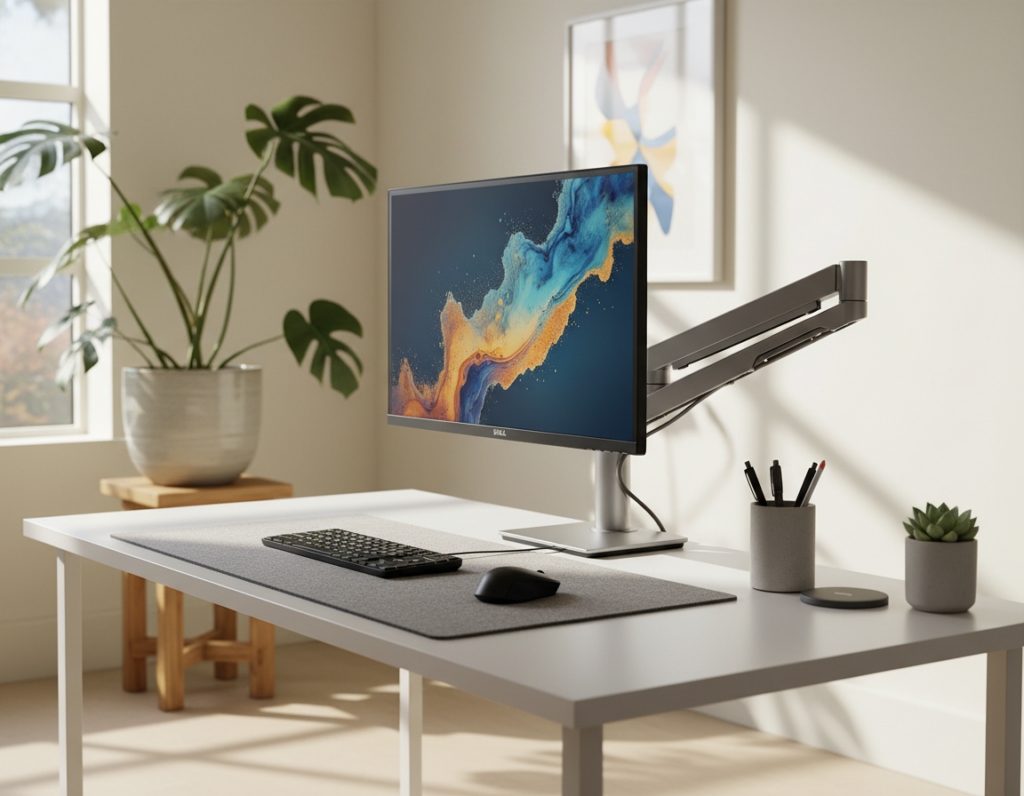
Key elements include monitor mounts that place the display at eye level and task lighting that cuts glare. Both changes keep attention on the game and lower neck fatigue.
Hooks and holders on the wall keep headsets and controllers in reach. Built-in drawers in the desk tuck away keyboards and accessories when not in use.
- Adjustable monitor arms for correct sight lines
- Task lighting to reduce screen reflection
- Chair with lumbar support for longer sessions
- Wall organizers that keep frequently used gear accessible
“An ergonomic workstation protects posture and boosts long-term comfort.”
Outcome: investing in an ergonomic setup improves the player’s experience and preserves health. Well-planned furniture and lighting make the space efficient and ready for focused play.
Multi-Functional Furniture for Shared Environments
Choosing pieces that combine seating and hidden compartments lets a shared area adapt quickly. This approach keeps a living space usable for guests and ready for play without long cleanups.
Storage Ottomans
Storage ottomans serve as both seating and a tucked-away place for controllers, cables, and blankets. They let the game setup disappear in seconds and restore a family-friendly look.
In shared environments, versatile furniture protects floor space and adds comfort. Complete Closet Design recommends modular cabinets that can be rearranged to meet shifting needs.
- Hidden compartments hold accessories and small games.
- Wall-mounted cabinets free valuable floor space when needed.
- Flexible seating, like tuckable chairs, expands activity areas fast.
Pro tip: pick ottomans with durable fabric and internal dividers to keep controllers and chargers organized. A cohesive design blends gear with decor and improves overall functionality.
“By choosing furniture that serves multiple purposes, you maximize the functionality of shared spaces.”
Specialized Organization for Tabletop and Board Games
Tabletop collections need purpose-built solutions to protect delicate miniatures and keep play sessions smooth.
Felt-lined drawer inserts cradle painted miniatures and reduce chips and scuffs. Wide drawers work well for large boards and terrain sets so pieces rest flat and stay organized.
Adjustable shelves let the owner mix tall boxes with slim card games. Shadow boxes turn prized miniatures into a tidy display that doubles as decor and keeps the table clear.
- Book-style dice storage keeps collections neat and quick to reach.
- Group games by frequency of use to speed setup for a quick match.
- Choose cabinets and quality drawers sized for board depths and rulebooks.
Good planning stops the hunt for missing pieces and improves the overall gaming experience. Investing in purpose-built furniture and organized drawers shows a serious commitment to form and function.
Tech-Friendly Charging and Cable Management
A clutter-free tech zone starts with built-in chargers and smart pathways for cables. These choices keep controllers, consoles, and accessories charged and ready while preserving the look and function of the space.
Hidden Charging Stations
Hidden charging stations tuck wireless docks into drawers or behind cabinet panels so controllers top up without visible cords. Designers often route power into furniture and add ventilated bays to protect hardware during long sessions.
Cable Management Boxes
Cable management boxes corral power bricks, HDMI splitters, and surge protectors into a single container. Combined with wall-mounted channels, they stop tangles and keep desks and floors clear.
- Integrate charging ports into furniture to reduce visible cables.
- Use ventilated compartments to prevent heat buildup around consoles.
- Run wall channels to hide cables from the desk to displays and power outlets.
“A dedicated charging spot means no more dead controllers and fewer setup delays.”
Design Principles for Creating an Illusion of Space
Reflective surfaces and layered lighting can trick the eye into seeing more depth than actually exists. Mirrors placed across from windows bounce natural light and add perceived depth. Light color palettes also make walls read as farther apart and brighter.
Floating shelves and low-profile furniture keep the floor clear and let the eye travel uninterrupted. This frees precious floor space and reduces visual clutter without sacrificing function.
- Use mirrors to reflect light and expand sightlines.
- Layer task and ambient lighting to remove dark corners.
- Choose slim, clean-lined furniture to keep the look airy.
These room ideas work together to lift a tight setup into a refined style. With careful placement of shelves, wall accents, and lighting, even small rooms feel intentional and ready for a great game experience.
Conclusion: Building a Sustainable Gaming Sanctuary
Design for longevity by focusing on practical ideas that make everyday use simple and rewarding. Clear zones, easy access, and adaptable systems keep the space ready for play and work.
Choose furniture that adapts as collections grow and add layered lighting to make tasks easy and comfortable. These two choices together protect gear and improve focus.
Balance style with function to keep the area tidy and inviting. Start by listing needs, then pick solutions that fit those priorities.
Ready to build a lasting sanctuary? Contact Complete Closet Design for a free estimate and a custom plan that fits the way they play and live.