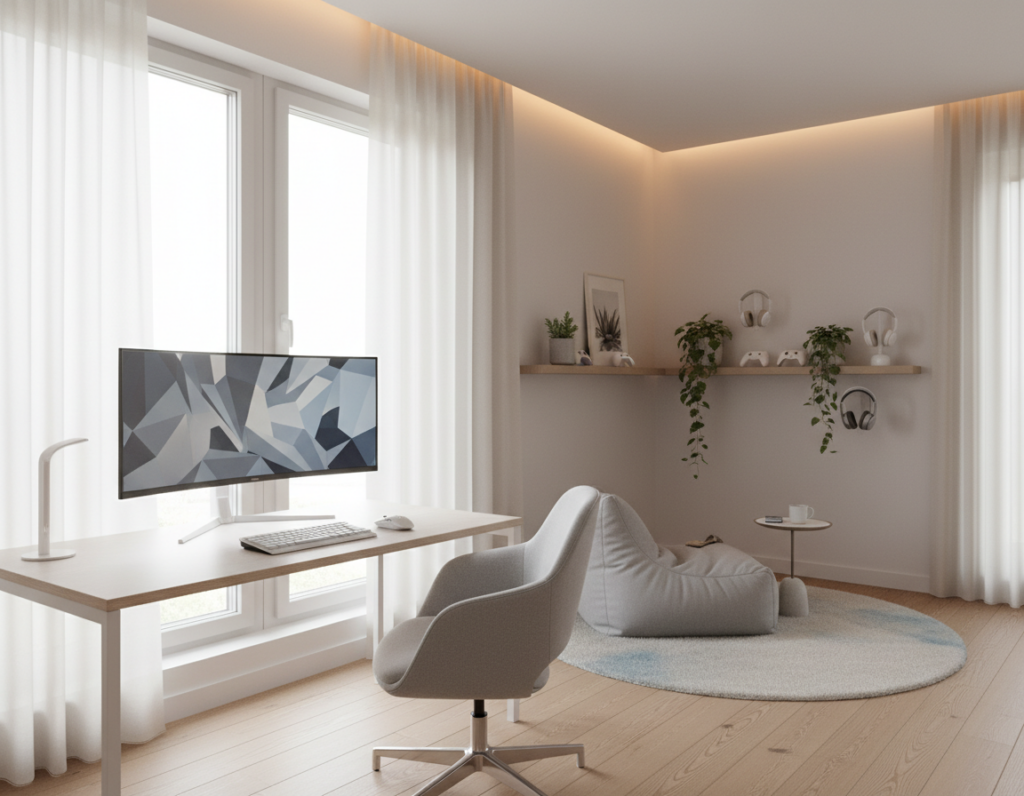
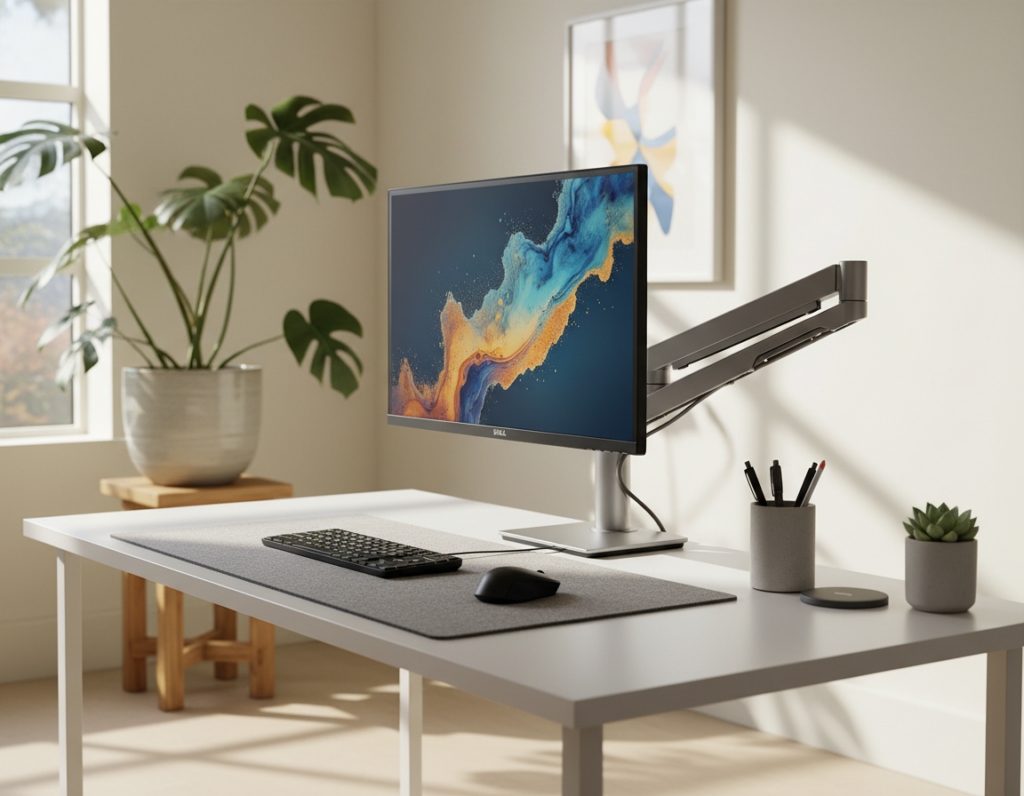
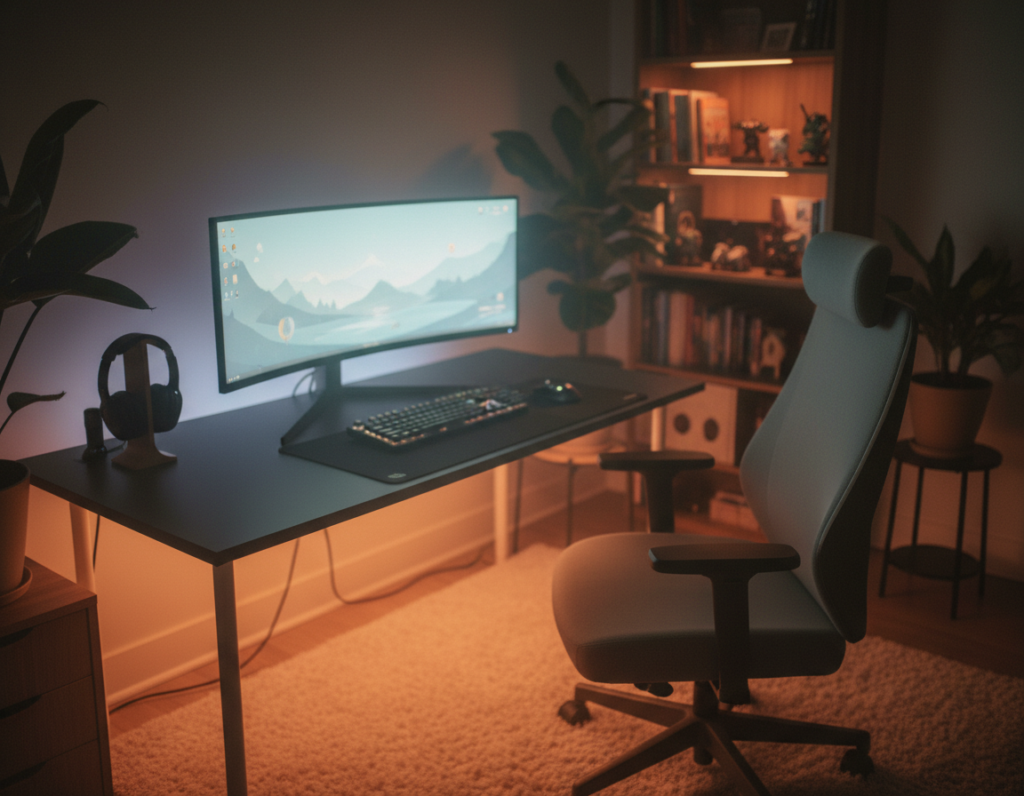
The Hexcal Studio Plus arrived in 2026 and set a new standard for tidy workstations. It combined power and routing into a single system to remove visual clutter and reclaim valuable space.
The result was obvious: an organized setup made the monitor and system the focal points. Users saw how neat routing of each cable transformed the overall look and feel.
On this page, proper cable management showed that a clean surface improved aesthetics and function. The Hexcal Studio Plus used a patented approach so every cord could be routed and concealed.
Designers and builders praised the way the unit supported complex hardware while keeping a minimalist profile. The combined power distribution helped users keep the area tidy and focused on performance.
The Impact of Cable Clutter on Your Workspace
A tangle of cords changes how people feel about their workspace in subtle but powerful ways. Cluttered surfaces draw the eye away from monitors and hardware and make a desktop feel smaller than it is.
Aesthetics and Visual Appeal
Visible wires and bundles break clean lines and reduce the perceived quality of any setup. Even premium devices lose presence when surrounded by a nest of cables.
Neat routing restores balance. It makes screens and peripherals stand out and gives the whole room a calmer, more professional look.
Productivity and Mental Load
Loose cords create daily friction. They slow down troubleshooting and waste time when locating the right cable or device.
Industry standards show visible wire masses add mental load and increase the chance of accidental disconnections during high-stakes calls or matches. Organizing cords reduces these risks and protects expensive devices.
- Less clutter means faster access to ports and power.
- Reduced trip hazards preserve safety during active sessions.
- An orderly setup supports focus and saves time over the long run.
For a practical how-to on creating a tidy setup and lowering interruptions, see the complete cable management masterclass on this page.
Why a Hidden Cable Management Gaming Desk is the Ultimate Solution
When power and routing live inside the furniture, the whole room feels bigger and calmer. Integrated routing prevents cords from draping over the edge and keeps the surface clean.
Moving power strips off the floor makes cleaning simpler and reduces visual clutter. It also protects power and data cords from damage caused by foot traffic or pets.
Modern solutions use internal channels and trays so cables stay accessible yet out of sight. That balance keeps the setup safe and easy to service.
Investing in a quality unit lets users consolidate monitors, chargers, and peripherals into one versatile station. The result is a protected, streamlined setup that boosts both form and function.
“This page shows why a dedicated furniture solution is the fastest path to eliminating cable clutter.”
- Off-floor power reduces trip hazards and frees space.
- Integrated channels keep cords organized and protected.
- Consolidation turns a simple surface into a true gaming station.
Essential Features to Look for in Modern Desks
Small design details make the biggest difference when organizing power and peripherals. Choosing a desk with smart routing features saves time and improves the overall look of a room.
Surface Grommets and Cutouts
Surface grommets let monitor and peripheral cords drop straight down behind the desk. This prevents cables from draping over the edge and keeps the top clean.
Under-Desk Channels and Trays
Look for trays at least 2–3 inches deep to store bulky power bricks and strips. Under-desk channels keep wiring off the floor and make maintenance simple.
Integrated Power Modules
Built-in power outlets and power strips cut the distance to the wall so only one main cord is needed. This reduces visible routing and makes setups safer.
- Reusable clips and zip ties are better for cables than single-use plastic fasteners.
- The Bestier 44 Inch Gaming Desk shows how compact furniture can include built-in cable and charging features.
- A standing desk should allow slack so cords do not pull tight at full height.
Planning Your Cable Routing Strategy
The team recommends a dry run before fastening anything. Place monitors and the PC where they will live, then trace the best way to route each connection.
Group permanent lines together and keep temporary chargers on an easier path. This approach keeps the workspace tidy and reduces future rework.
Label both ends of cords to save time when swapping a monitor or replacing a system part. A simple tag cuts troubleshooting time and prevents guesswork.
This page outlines a step-by-step solution starting with an inventory of every device. Knowing each item helps decide which cables stay fixed and which remain accessible.
- Do a dry run with hardware in place.
- Group permanent and temporary cables separately.
- Label ends and plan routes that avoid dust traps.
Effective routing keeps equipment accessible and safe to operate. With a systematic plan, a messy gaming desk transforms into a professional, organized setup.
Managing Power Strips and Peripheral Connections
Power distribution is the backbone of a tidy setup and deserves a deliberate plan. Place outlets and integrated power strips where devices draw the most current to cut unnecessary runs to the wall.
Choose a power strip rated for at least 1500W when a build includes a gaming PC, dual monitors, and studio lighting. That buffer protects the system from overload during peak draw.
Thermal Safety and Ventilation
Keep bulky power bricks inside trays or channels that have ventilation slots. Proper airflow prevents heat buildup and extends the life of power strips and outlets.
Flexible sleeves can bundle multiple cords into one neat run, but avoid enclosing heat-generating adapters without vents. Trays should sit off the floor and allow easy inspection.
- Use motherboard ports for high-speed peripheral connections for best performance.
- Integrate USB ports and strips into the frame to reduce visible cables crawling from the floor.
- Consolidate devices into a single, rated power strip to lower wall plugs and simplify maintenance.
Advanced Techniques for Concealing Wires
Smart routing turns a chaotic back-of-system mess into a crisp, serviceable layout.
Use raceways—plastic or metal raceways run along the wall to keep runs neat and predictable. They protect wires and create a clear path from the system to the outlet.
Avoid tight 90-degree bends when you route cables through channels. Gentle curves preserve the internal conductor and extend cable life.
Velcro ties beat single-use zip ties for most builds. They let a user add a monitor or peripheral without cutting or redoing the whole run.
- Mount cable clips and sleeves to the back of the desk to keep cords flat and out of sight.
- Use a shallow tray for power bricks so airflow and inspection remain easy.
- Plan slack for a standing desk so cables move freely and never pinch.
Professional routing behind desk is the best way to keep a setup iconic and efficient. For step-by-step tips on how to organize gaming desk cables, see the organize gaming desk cables guide on this page.
“A neat back run saves time and keeps a system easy to upgrade.”
Safety Considerations for Your Gaming Setup
Safety starts with simple routing choices that stop accidents before they happen. A clean area makes the system easier to use and reduces the chance of damage during intense sessions.
Avoiding trip hazards is a priority. Tangled cords on the floor can pull plugs out and interrupt a match. They also raise the risk of falls for guests or family members.
Practical steps to reduce trips
- Route cords along the back edge and secure them with ties to the frame.
- Keep long runs off the floor and out of walking paths.
- Use a single, rated power strip to limit loose plugs and simplify power routing.
Protecting cable integrity
Inspect power strips for load limits and never exceed the manufacturer wattage. Avoid pinching wires at corners and leave slack for movement to prevent frays.
“A tidy desktop is a safer desktop: less dust, better airflow, and fewer surprises.”
Long-Term Maintenance for a Tidy Desktop
A quarterly inspection prevents minor wear from turning into costly failures. Every three months, they should perform a dust-and-check cycle to keep the desktop and its wiring in top shape.
Open the channels and use compressed air to clear dust from trays and power strips. This protects outlets and power strips and keeps airflow steady around adapters and bricks.
They must check that no cables are pinched or frayed, especially in a standing desk setup where movement is frequent. Inspect monitor and peripheral cords to confirm clips and ties still hold tight.
- Compact spaces: For rooms under 100 sq ft, built-in cable solutions free floor space and reduce visible clutter.
- Use velcro ties instead of zip ties when frequent changes happen.
- Blow out channels, then visually confirm trays are clear and strips sit securely.
“A short maintenance routine preserves function and the look of the workspace.”
By dedicating time to upkeep, they protect high-end devices and extend the life of the routing solution. Regular checks keep the workspace safe and visually appealing for years.
Conclusion
A few careful routing choices deliver a big visual upgrade to any workspace. ,
Effective cable management keeps a gaming setup tidy and safe. They can improve the overall look while protecting hardware and easing maintenance.
Investing in the right solutions—like built-in channels and quality power strips—makes a clutter-free setup possible for anyone. Small efforts yield a polished result that lasts.
Say goodbye to cable chaos and embrace an organized workspace that lets them focus on performance. Join the global community to learn more and get exclusive benefits for the next purchase of a gaming desk.