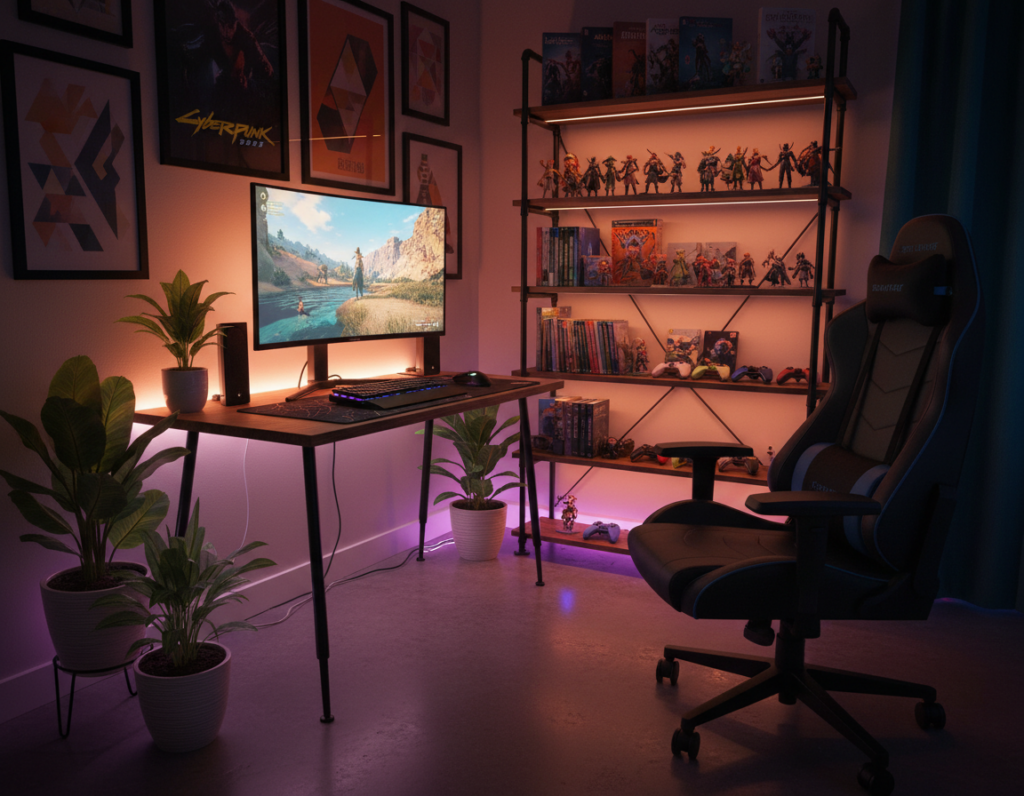
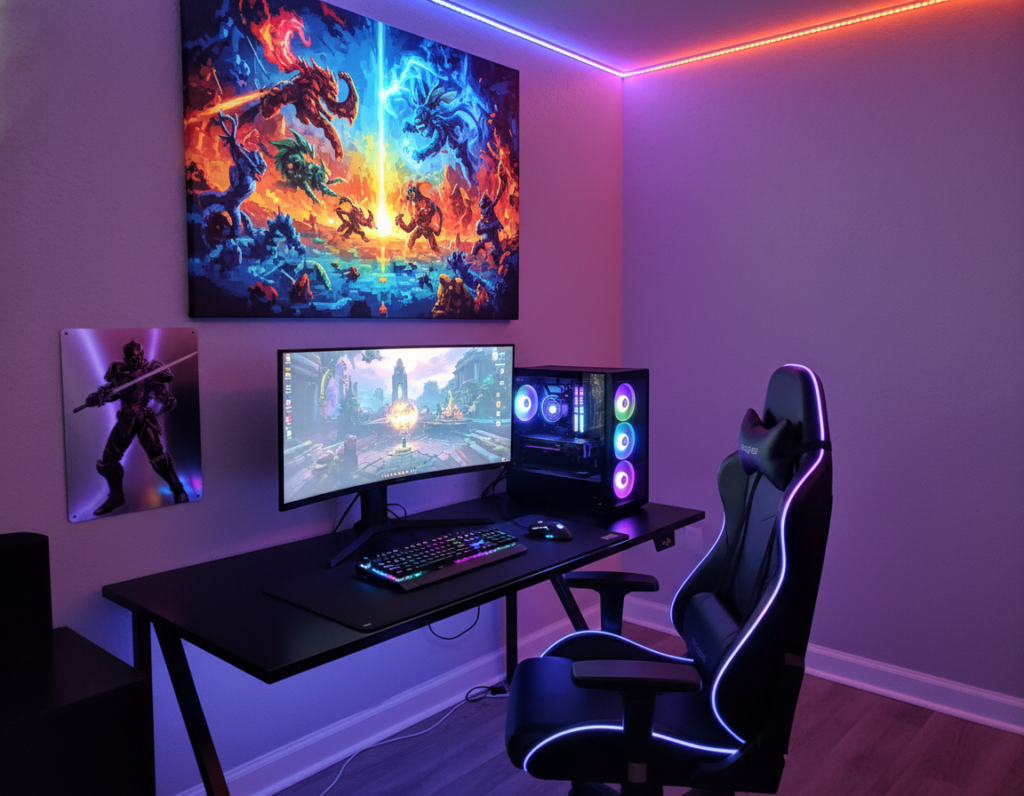
Tempo Gear 50x50x5cm panels give players and streamers a clear path to better sound. They cut echo and lift voice clarity so a live stream sounds professional. This makes the home setup feel like a true studio rather than a scattered collection of materials.
Proper treatment targets reflections on the wall and ceiling to tame distracting noise. By placing panels where reflections bounce, a gamer can improve audio quality without overfilling the space. Intentional layouts make a room look tidy and boost performance at the same time.
For practical tips on patterns and installation, see the foam accent wall guide. With careful placement, gamers spend less time troubleshooting sound and more time focused on the game and chat.
Understanding the Role of Acoustic Treatment
Managing how sound behaves in a space is the first step toward better microphone performance. Clear goals help decide which treatment makes sense for a home setup.
The Difference Between Soundproofing and Absorption
Absorption controls reflections inside the room so voice and game audio sound cleaner. Acoustic panels and similar materials reduce reverberation but do not block sound from leaving.
“True soundproofing requires adding density to walls, floors, and ceilings to stop airborne noise.”
Why Echo Ruins Your Audio
Hard surfaces create echo and reverberation that muddy voice chat and streaming quality. Targeting mid and high frequencies with panels gives noticeable clarity.
- Absorb first: treat early reflections on walls and ceiling.
- Consider all surfaces: floors, walls, and ceiling matter for room acoustic control.
- Choose materials: select options that match desired sound absorption and aesthetics.
Why Your Gaming Room Needs Professional Acoustic Foam Gaming Room Design
Streamers see immediate gains when their setup uses a considered treatment plan rather than scattered panels. A professional approach improves mic clarity and trims the stray noise that distracts viewers.
Bare walls and hard surfaces amplify high-pitch chat and keyboard clicks. Treating those spots with quality acoustic panels cuts reflections and makes dialogue easier to follow on stream.
Many gamers select specific options to reduce sound leakage and keep peace with housemates. Proper treatment helps block sound from leaving the space while also lowering annoying echoes inside the room.
Good placement lets a home setup stay tidy and functional. It raises production value, so streams look and sound more polished without overdoing materials.
- Better live audio for streaming and recording
- Less distraction from clicks and background noise
- More privacy and reduced sound transfer to other rooms
Identifying Key Reflection Points for Maximum Impact
Start by listening: sit at your desk and clap to find the spots where sound bounces first. This simple test reveals the first reflection points that most affect clarity.
First reflection points are the wall areas where speakers or voice hit and then return to the ears. Treating those spots with well-placed panels reduces echo and makes voice sound cleaner.
First Reflection Points at Your Desk
Mark the areas next to and slightly off-axis from each monitor. These are priority targets for absorption and will cut early reflections that smear dialogue.
Use panels with an NRC of 0.4–0.7 to get measurable reduction without overfilling the space. That rating balances performance and cost for most gaming room setups.
Managing Rear Wall Reflections
Treat the wall behind the chair to stop sound from looping into the mic. Ceiling panels above the desk also help by catching vertical reflections that clutter the mix.
“Identifying key points lets you use fewer panels while getting big acoustic gains.”
- Map reflection points at listening position.
- Address front and rear wall spots first.
- Add ceiling panels for vertical control.
- Choose panels with proper absorption and NRC ratings.
Selecting the Right Foam Style for Your Setup
Choosing the right panel texture sets the tone for both audible clarity and visual appeal. Decisions should weigh performance and the look the gamer wants on camera.
Wedge Versus Pyramid Textures
Wedge panels are favored for superior mid and high frequency sound absorption. They reduce echo and tame harsh frequencies so voice and audio come through clearer.
Pyramid panels scatter reflections more evenly across the room. That scattering can make a space feel balanced and reduce discrete flutter, while adding a geometric look to your walls.
- Thicker pieces, at least 5cm, give better noise control and sound absorption.
- Mixing wedge and pyramid panels creates a custom visual and acoustic blend.
- Shop a few options to match color and mounting needs without over-treating the wall.
“Pick the style that matches your priorities: maximum absorption or a signature visual.”
Strategic Placement for Visual Symmetry
Symmetry turns scattered panels into a cohesive setup that reads as intentional on camera.
They should aim for about 20–40% wall coverage. That range treats reflections without making the space feel overbuilt.
Use simple grids or mirrored blocks on either side of the desk. Add pieces to the ceiling above the listening position to catch vertical reflections and tie the look together.
- Measure first: a level and tape measure keep rows straight during installation.
- Balance visually: match shapes and spacing on opposing walls to create a studio feel.
- Think dual purpose: every panel should help both sound and appearance.
“A planned layout reduces noise and makes the set appear polished.”
When they plan placement, the result is a space that sounds clearer and looks deliberate. Proper installation leads to a stylish, functional gaming room that serves both stream and audience.
Essential Tools for a Clean Installation
A tidy install starts with the right tools and clear preparation. This short guide helps them pick adhesives, leveling tools, and surface steps that keep panels secure and the set looking pro.
Choosing the Right Adhesive
Adhesive strips or Velcro give renters an easy, damage-free option for mounting panels on the wall. They remove cleanly and save time when redecorating.
For a permanent fit, they can use spray adhesive. It bonds well to common materials but requires confidence before committing.
Using Leveling Tools
They should pack a tape measure, a bubble level, and a pencil. These items keep rows straight across large surfaces and prevent a crooked ceiling line.
Working methodically takes a little more time but yields a neater final look.
Surface Preparation
Cleaning walls and letting them dry ensures adhesive holds. Dust, grease, or textured paint can cause panels to fall.
“Proper prep and the right tools make installation faster and more secure.”
- Pick removable strips or Velcro for renter-friendly options.
- Clean and dry surfaces before applying adhesive.
- Use a level and tape measure for straight rows.
- Consider spray adhesive only for permanent placement.
- Shop quality materials and take the time to prep surfaces well.
Integrating Lighting to Enhance Your Foam Layout
Strategic LEDs can turn simple panel arrangements into a signature backdrop for a stream. They add depth and help the mic position read better on camera.
LED light strips work well behind or around panels to create a halo effect. Placing strips behind pieces highlights texture and gives walls a layered look.
RGB control lets users match colors to the rest of their setup. That link between color and gear makes the wall feel intentional and tied to the overall aesthetic.
Lighting choices are flexible. With a few options — warm wash, cool backlight, or synced RGB — one can shift mood between sessions and keep the set fresh.
- Use backlighting to emphasize foam texture and depth.
- Frame key panel clusters to draw the viewer’s eye.
- Match hues to your gaming setup for a cohesive look.
Proper placement turns panels into intentional decor that lifts the space. Thoughtful lighting makes them look as good as they sound.
Balancing Sound Absorption with Room Aesthetics
A well-styled setup balances visual appeal with measurable sound control. They should pick treatment that matches both their workflow and their taste.
The right choices keep the space usable and still tame noise and echo. High-quality panels can act as decor. They also improve voice clarity and overall audio quality.
Blending Panels with Room Decor
Choose colors that complement furniture or wall paint. Neutral tones like gray or white fit most schemes. Bold accents work too when used sparingly.
Good materials do double duty: they look professional and control mid and high frequencies. When panels match the set, the treatment feels intentional rather than tacked on.
“When panels become part of the aesthetic, they stop being a distraction and start adding value.”
- Match color and texture to existing furniture.
- Limit coverage to preserve style while improving sound absorption.
- Choose quality materials that suit both audio needs and visual taste.
- Consider placement that frames the desk and camera without cluttering walls.
Balancing performance and style makes the home setup a place one wants to use. The result is a polished gaming room that sounds as good as it looks.
Avoiding Common Mistakes in Panel Arrangement
Many installers rush into placement and miss small mistakes that ruin both sound and the on-camera look.
Never assume panels will block sound. Foam panels and similar materials absorb reflections; they do not soundproof a space or stop noise from leaving. Expect treatment to improve clarity, not seal rooms.
Over-treating a room can also backfire. Too much coverage creates a dead, unnatural result that is as unpleasant as echo. Balance coverage to preserve liveliness while cutting unwanted reflections.
Simple installation errors cause problems. Failing to clean the wall or to use a level often leads to panels falling or crooked rows that ruin the professional look of a gaming room setup.
Beginners also forget the ceiling. Treating the ceiling reduces key reflections and improves voice and overall audio quality.
- Shop wisely: buy enough materials but avoid overbuying.
- Plan placement and use a level for straight rows.
- Prep surfaces to keep panels secure over time.
“Proper planning and attention to detail will ensure the room sounds clear and looks exactly how they envisioned.”
Conclusion
A few targeted adjustments make a setup sound cleaner and look more purposeful on camera. By planning placement and using simple tools, one can elevate a gaming room without overdoing materials.
They should aim to manage reflections, add ceiling coverage where needed, and use lighting to tie the look together. These steps keep the space tidy and improve live audio sound for streams and recordings.
For both casual players and streamers, the end goal is a room that performs well and reads as intentional. Start by choosing the right foam panels, mapping reflection points, and planning a balanced layout for maximum impact.