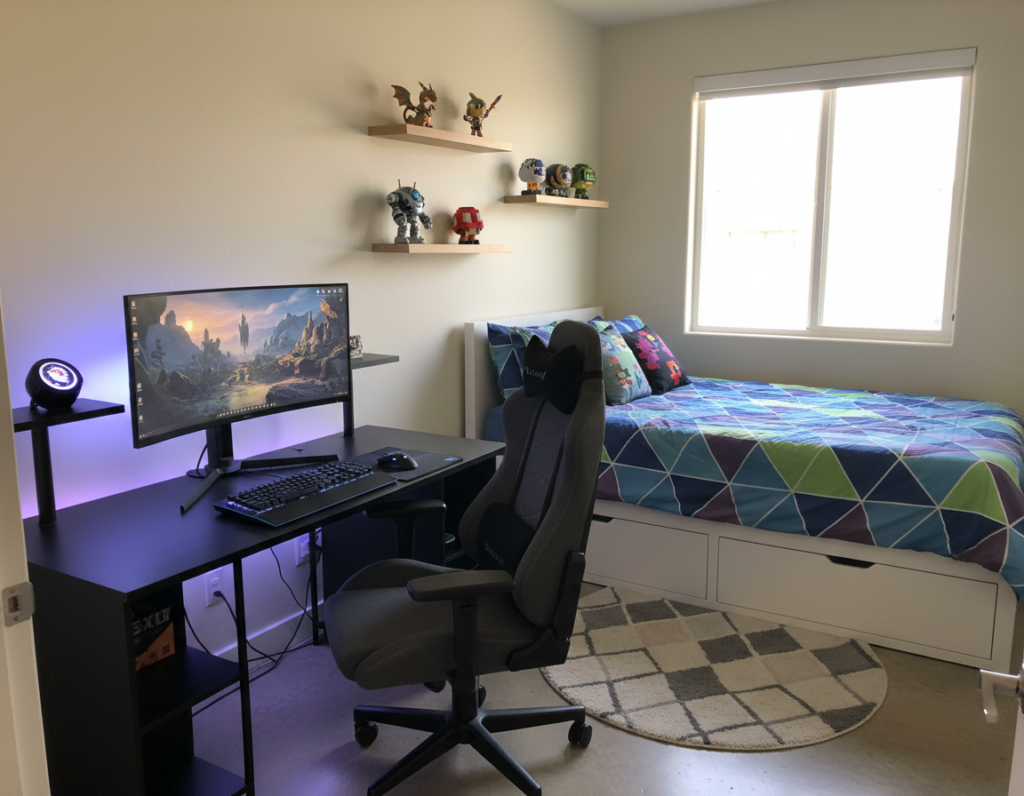
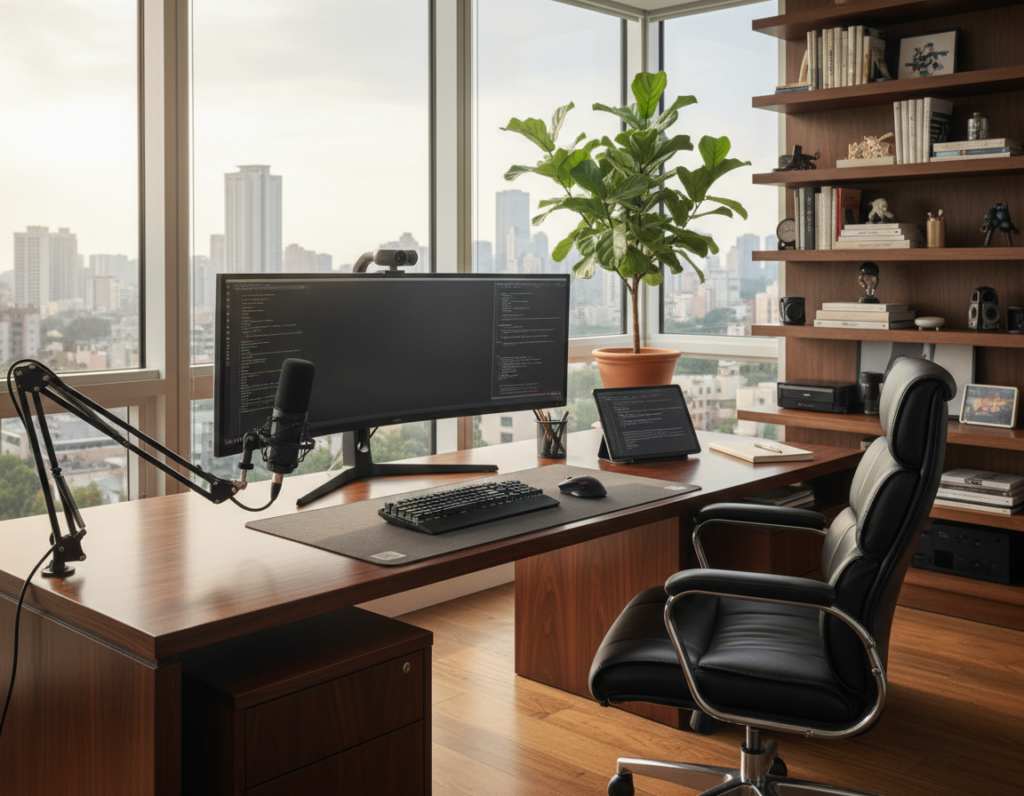
Choosing the right chairs shapes daily comfort and productivity. People must weigh design, support, and long-term wear when they pick a chair for work or play.
Professional reviews note that construction matters: padding, lumbar support, and tilt systems change how a person feels after hours at a desk.
Many users find that a flashy setup can define a room’s look, yet it may not provide the same ergonomic support as a neutral, adjustable model. The key is balancing appearance with lasting support.
For a practical comparison, experts at BTOD.com lay out the trade-offs between common seat types. Read their full gaming chairs and office chairs comparison to see how design, adjustments, and comfort affect day-to-day use.
Understanding the Core Differences in Office vs Gaming Furniture
A chair’s design and adjustability directly influence daily comfort and posture. John Beaver noted in March 2026 that this choice shapes long-term well‑being and how people feel after many hours at a desk.
Design goals diverge: gaming chairs often prioritize bold looks and brand identity. In contrast, an ergonomic office model focuses on lumbar support, variable recline, and head and arm adjustments for sustained work.
The market mixes price and intent. A top-tier gaming chair like the Secretlab Titan Evo 2022 retails near $549, while mid-tier office chairs such as the EuroTech Vera or Haworth Soji land around $469. These figures show comparable value but different feature sets.
- Adjustability matters: many find office chairs offer more fine-tuned options for posture and height.
- Look versus function: gaming chairs stand out visually; ergonomic office chairs aim to disappear into daily workflows.
“Choosing the right seat affects comfort, posture, and long-term health.”
For readers wanting broader context on user engagement and setup choices, see crafting memorable tech experiences to explore how design choices shape daily interaction with gear.
The Impact of Bucket Seat Designs on Long-Term Comfort
Racing Seat Influence
Racing-inspired contours shape many gaming chairs today. Designers borrowed side bolsters that keep a driver stable during quick turns.
Those same bolsters can restrict movement for people who change position often. Gamers may feel secure at first but find it hard to sit cross-legged or shift during long sessions.
Limitations on Sitting Positions
An office chair usually offers a flatter seat and an open frame. This allows more natural posture and easier movement during hours of work.
Proper lumbar support often comes built into the frame of ergonomic models. In contrast, many gaming chair designs rely on removable pillows that slip and fail to hold the lower back in place.
- Bucket seats prioritize containment over freedom of movement.
- Center-tilt recline on some models can push the body into awkward positions during long sessions.
- People who spend significant time at a desk often prefer the open design and integrated head and back support found in office chairs.
“Designs that favor style should not compromise spinal alignment for prolonged use.”
Evaluating Ergonomic Support and Spinal Health
Real-world sitting tests show that sustained support, not looks, determines whether a seat protects the spine over long shifts. This section examines how design choices affect posture and long-term health.
Lumbar Support Systems
Advanced lumbar support in an ergonomic office chair is built to follow the spine’s natural curve. Adjustable mechanisms let users fine-tune depth and height to fit their body.
Unlike static pillows on many gaming chairs, integrated lumbar frames stay aligned during movement. A proper support system helps maintain a neutral position and reduces strain after hours of work.
- Synchro recline keeps the back and seat working together to preserve posture.
- The backrest in quality office chairs is more flexible than rigid frames found on many gaming models.
- Subtle adjustments let a person shift without losing stability or comfort.
Proper lumbar support is essential for long-term spinal health, especially for those who sit for extended periods. Choosing chairs with engineered support features can prevent chronic back issues and improve daily comfort.
Comparing Adjustability Features for Daily Work
Fine-tuned adjustments let a user keep good posture through hours of focused work. This section looks at three adjustment areas that matter most during long sessions: armrests, seat depth, and head support.
Armrest Versatility
Armrests that move in four directions reduce shoulder strain and enable proper keyboard placement.
The Secretlab Titan Evo 2022 offers four-way armrest adjustability, but some higher-end models like the Haworth Soji give a wider range of motion. That extra travel helps users cradle their arms without hunching.
Seat Depth Importance
Seat depth affects thigh support and posture. Many gaming chairs lack depth adjustment, which stops users from aligning hips and back correctly.
An ergonomic office model usually lets the user slide the seat to support the knees and keep feet flat. Mesh seats also improve airflow during long hours at a desk.
Headrest Functionality
Headrests that adjust in height and angle help maintain a neutral neck position during long work periods.
The Clatina Mellet, priced at $200, shows that strong head and lumbar support can be affordable. Proper head and back adjustment preserves posture and reduces strain over time.
“Adjustability is a hallmark of a high-quality chair; small changes add up to big comfort gains.”
- Personal fit: seat and armrest adjustments tailor the chair to the body.
- Movement: incremental changes beat a single deep recline for sustained work.
- Support: proper head and back settings protect posture during long sessions.
Analyzing Price Ranges and Overall Value
Cost alone doesn’t tell the full story; features and durability define long-term worth.
At retail, the Secretlab Titan Evo 2022 lists for $549 while the Haworth Soji and Steelcase Gesture land near $469. That gap shows how branding and styling can raise a price.
An ergonomic office chair often channels money into adjustable mechanisms, durable materials, and refined armrests rather than stitched logos or bold colorways.
Value is realized through long-term support, seat depth options, and repeatable adjustments that protect posture during long hours. A $469 model that lets users set height, depth, and armrest travel can outlast a pricier gaming chair with fewer functional features.
- Durability: look for warranty and material quality.
- Adjustments: precise height and depth tuning matter for body fit.
- Support: integrated lumbar systems beat removable pillows over time.
“For those who work long hours, the price is an investment in productivity and physical well-being.”
How Recline Mechanisms Influence Your Workflow
How a chair reclines changes how a person moves through a workday and how long they stay comfortable.
Synchro-tilt links the backrest and seat so they move at different angles. This keeps the pelvis and lower back aligned. Users can shift position without losing lumbar support, which eases strain during long hours.
By contrast, a center-tilt mechanism on some gaming chairs often pivots the whole seat. That action can lift the legs and change hip angle. For focused work, this forces an awkward posture over time.
- Movement: synchro-tilt encourages subtle shifts that reduce fatigue.
- Support: office chair designs keep lumbar support consistent when reclining.
- Adjustment: tension controls let the user set resistance to their body weight.
“A recline that supports motion is a simple way to protect posture and sustain productivity.”
Aesthetic Considerations for Your Home Workspace
Selecting a chair is as much about room personality as it is about daily use. A modern seat can anchor a room or let other elements take center stage.
Bold styles often put gaming chairs front and center. Their racing shapes and bright colors make a clear statement that appeals to many gamers.
By contrast, an office chair tends to blend in. Mesh options offer a clean look and steady airflow for long work periods, while neutral tones help with video calls and a tidy setup.
- Statement or subtle: choose a seat that matches the room’s role.
- Materials: mesh brings a modern, breathable option for long days.
- Balance: prioritize lumbar support and armrests even when style matters.
“A chair should reflect the user’s taste without sacrificing long‑term support.”
Integrating Furniture into Your Desk Setup
A well-planned desk setup makes long hours less taxing and keeps posture steady.
They should place the chair so feet rest flat and knees sit at about 90 degrees. Align the monitor at eye level to avoid tilting the head forward.
Choose an office chair or an ergonomic office chair with good lumbar support and adjustable seat depth. Mesh backs add breathability for people who spend time at home working.
- Adjustability: set height, armrests, and recline so wrists are straight while typing.
- Support: lumbar and head adjustments keep the back aligned during focused work.
- Compatibility: match desk height and keyboard position to the seat for sustained comfort.
Gamers can match a lighter-colored chair to peripherals for a cohesive look while keeping key support features. In all setups, small adjustments add up. The right combination of design, position, and features keeps people productive and protects the back over time.
Conclusion
Choosing the right seat often comes down to daily habits and which features users actually use.
They must weigh ergonomic support against visual appeal. An office model usually delivers consistent lumbar systems and a higher degree of adjustability for long hours at a desk. That yields better long-term comfort and posture protection.
A bold gaming option can sharpen a room’s identity and suit a dedicated game setup, but it may lack key adjustments for sustained use. Investing in quality parts and fit is the smart choice for daily wear.
Ultimately, the best pick matches how they spend time seated. Prioritize support, test adjustments, and choose the chair that keeps the body steady through many workdays.